


Let me ask you something honestly. Have you ever watched someone get promoted
even though you worked harder, stayed longer, and delivered better results?
You tell yourself: “Maybe next time.” “Maybe they noticed.” “Maybe hard work will speak for itself.”
But here’s the uncomfortable truth: Hard work gets you employed. Office politics gets you promoted. Promotion is not about who works the hardest. It’s about who understands how power, perception, and leadership actually work inside an organization. It’s a decision. And decisions are made by humans, not spreadsheets.
Today, I’ll walk you through 5 Office Politics Laws That Get You Promoted, You’ll see how to apply each law in a practical, ethical way, so you can create an unfair advantage for your next promotion without becoming fake or manipulative.
LAW 1: Never Outshine the Master.
Why This Law Exists: Early in your career, you’re taught to: “Stand out. Be visible. Show your intelligence.”
Imagine joining a new team and performing exceptionally well. Your ideas are sharp. Your execution is fast. Senior leaders start noticing you. Sounds perfect… right? But slowly, something changes. Your manager becomes distant. You’re no longer included in key conversations. Your growth suddenly stalls.
What went wrong? The Reality: When your success makes your boss feel smaller, not stronger, your growth hits an invisible ceiling. That’s why this Law exists.
Where Most Employees Go Wrong: They think promotion is about:
Showing they’re smarter than the boss, Correcting their manager publicly, Dominating meetings with ideas, They believe visibility equals superiority.
In organizations, standing out the wrong way can quietly block your growth.
When your success makes your boss feel exposed or insecure, they don’t attack you — they slow you down— silently.
The Rule: Never outshine the master — It’s simple… and brutal
How You Use This Law to Get Promoted:
You don’t reduce your capability. You redirect it.
1st.Align your work with your boss’s goals: Don’t just do good work — do relevant work.
Ask: What makes my boss look successful?What pressures are they under?
Solve those problems.
2nd.Share credit upward without disappearing: When praised, acknowledge leadership direction without erasing yourself.
Say things like: “This worked because of the direction my manager gave early on.”
You’re visible — but not threatening.
3rd.Solve problems that make your boss look good: Ask: Handle issues before they escalate. Be the person who reduces risk.
Why This Leads to Promotion: People promote those who strengthen their position, not threaten it. When your boss sees you as an ally, not a rival, they become your biggest advocate. They give you visibility, They delegate authority, They groom you as a successor.
LAW 2: Conceal Your Intentions.
Why This Law Exists: Ambition is powerful — but shared carelessly, it becomes dangerous. When everyone knows your next move, some people feel challenged, others feel threatened —and suddenly, that ambition becomes a liability.
In corporate life, sharing every ambition with everyone sounds honest, but it often just gives other people a roadmap to block you. Concealing your intentions doesn’t mean being dishonest. It means not announcing your ambition before you earn it.
Where Most Employees Go Wrong: They say things like: “I want a promotion this year”, “I’m aiming for my manager’s role”, “I deserve the next level”. Over-explain their moves. Too early. Too loud. Too risky.
The Rule: Broadcasting ambition too widely creates unnecessary obstacles.
How You Use This Law to Get Promoted:
You move strategically, not noisily.
Instead of hiding everything, be selective about who sees what. You can imagine an “Ambition Pyramid” with three levels.
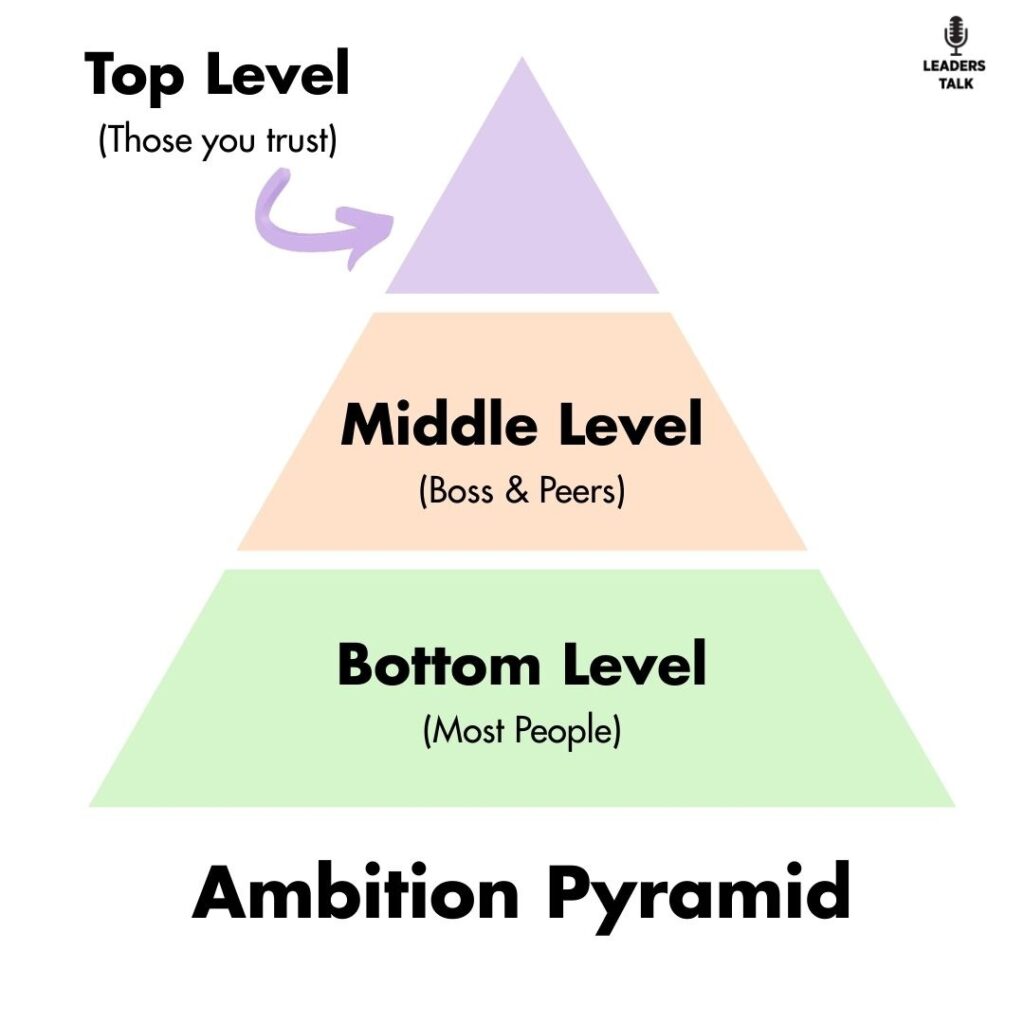
Ambition Pyramid
1st.Bottom level (most colleagues): give them nothing.
No career plans. No future claims. Just professionalism. Let your results speak. Results are evidence; they’re harder to twist.
2nd.Middle level (boss & close peers): share impact, not titles.
Talk about: Problems you’re solving, Results you’re creating, Not the position you want. “I want X’s role” conversations that can be weaponized later.
3rd.Top level (mentors & decision-makers): share real intentions. Only with a sponsor, or senior leader who can actually move you up.
be clear: “This is where I’m heading, and here’s what I’m building toward.”
These are the people who will use your ambitions to pull you up, not push you out.
Why This Leads to Promotion: This way, the people who can’t help you don’t interfere —and the people who can help you start guiding you. Your ambition becomes focused, not exposed.
LAW 3: Guard Your Reputation With Your Life.
Why This Law Exists: Promotion discussions don’t sound like performance reviews. Nobody lists all your tasks. They trade one-line summaries like this: “Reliable.”“High drama.”“Safe.” or “Great, but risky.” That one line often decides your future.
Where Most Employees Go Wrong: They damage their reputation by:
Complaining too much, Reacting emotionally, Gossiping, Missing deadlines once too often, and then they’re shocked when promotion never comes.
The Rule: Your reputation decides how people interpret your mistakes — and your success.
How You Use This Law to Get Promoted:
You manage your reputation intentionally.
1st.Decide your one line on purpose: Choose what you want to be known for: Calm under pressure, Always delivers, Fixes messy situations. Then act in alignment daily.
2nd.Protect trust like a fragile asset: Meet commitments. Communicate early. Own mistakes with solutions.
Trust once broken travels fast, trust earned compounds quietly.
3rd.Stay out of gossip and cheap drama: Five minutes of gossip can destroy five years of credibility. Use that time instead to build one strong professional ally.
Ask yourself: “If my name comes up in a leadership meeting… what’s the first sentence people say about me?” That sentence matters more than your resume.
Why This Leads to Promotion: Leaders promote people whose reputation protects their own credibility. Predictable beats brilliant when stakes are high.
LAW 4: Court Attention at All Costs — Ethically.
Why This Law Exists: Effort is invisible. The impact is memorable.
If leaders can’t clearly describe your impact, you won’t be top of mind when roles open. Leaders don’t promote effort. They promote visible results.
Where Most Employees Go Wrong: They believe: “My work will speak for itself”, “I don’t like attention”, “I’ll wait to be noticed”. But organizations are busy.
The Rule: Invisible value doesn’t get rewarded.
How You Use This Law to Get Promoted:
Think of your work in three categories: almost like a funnel.
1st.Negative work: low-value busyness: Low-value busyness that keeps you occupied but forgettable.
Endless emails, unnecessary admin, and over-helping on low-impact work don’t move the business—and highlighting them only makes you look busy, not leadership-ready.
2nd.Basic work: solid but forgettable: Completing tasks, meeting deadlines, small process tweaks. This is necessary to keep trust, but it rarely wins promotions by itself. Keep doing it, but don’t make it the star of your updates.
3rd.10x work: high-visibility, high-impact outcomes: Signing new clients, driving major cost savings, launching products, or solving chronic cross-team problems are the wins decision-makers notice, remember, and talk about.
Your strategy: Reduce negative work, Maintain basic work and Actively create or volunteer for 10x work. Then make sure the right people see it — short updates, crisp summaries, clear results. This isn’t bragging; it’s making sure the value you create is visible enough to be rewarded.
Why This Leads to Promotion: Promotion conversations reward what leaders can recall and describe — not what stayed hidden.
Visibility turns effort into opportunity.
LAW 5: Act Like a King to Be Treated Like One.
Why This Law Exists:(This is where most promotions are decided.)
When two people look equal on paper, the one who feels like leadership wins.
Not because of ego —but because leadership is about presence – the way you carry yourself, speak, and make decisions under pressure.
Where Most Employees Go Wrong: They: Speak hesitantly, Seek permission unnecessarily, Undervalue their contribution. They wait for authority to feel confident.
That never works.
The Rule: People respond to your presence before your title.
How You Use This Law to Get Promoted: You start operating one level higher:
1st.Upgrade your physical and vocal presence: Calm tone, Clear speech and Confident posture signals leadership before words do.
Sit tall with relaxed shoulders. Eliminate filler words (“umm, like, sort of”) and speak in shorter, sharper sentences.
2nd.Bring one strong point to every meeting: a risk, an insight, a solution, or a key question. Say it once, clearly. You will notice people start listening more carefully when you speak.
3rd.Frame work as outcomes, not activity: Replace “We completed tasks,” with “This resulted in X improvement.
Why This Seals the Promotion: When you consistently behave like the level above you – in presence, thinking and language – promoting you stops feeling like a risk and starts feeling like a simple correction to match reality.
Conclusion:
Office politics isn’t about manipulation. It’s about understanding how decisions really get made. When you master these five Laws: you stop being overlooked, you stop guessing, and your growth becomes predictable. Not louder. Not faker. Just smarter.