Toxic Coworkers Are Everywhere: 5 Smart Ways to Handle Them Without Damaging Your Career
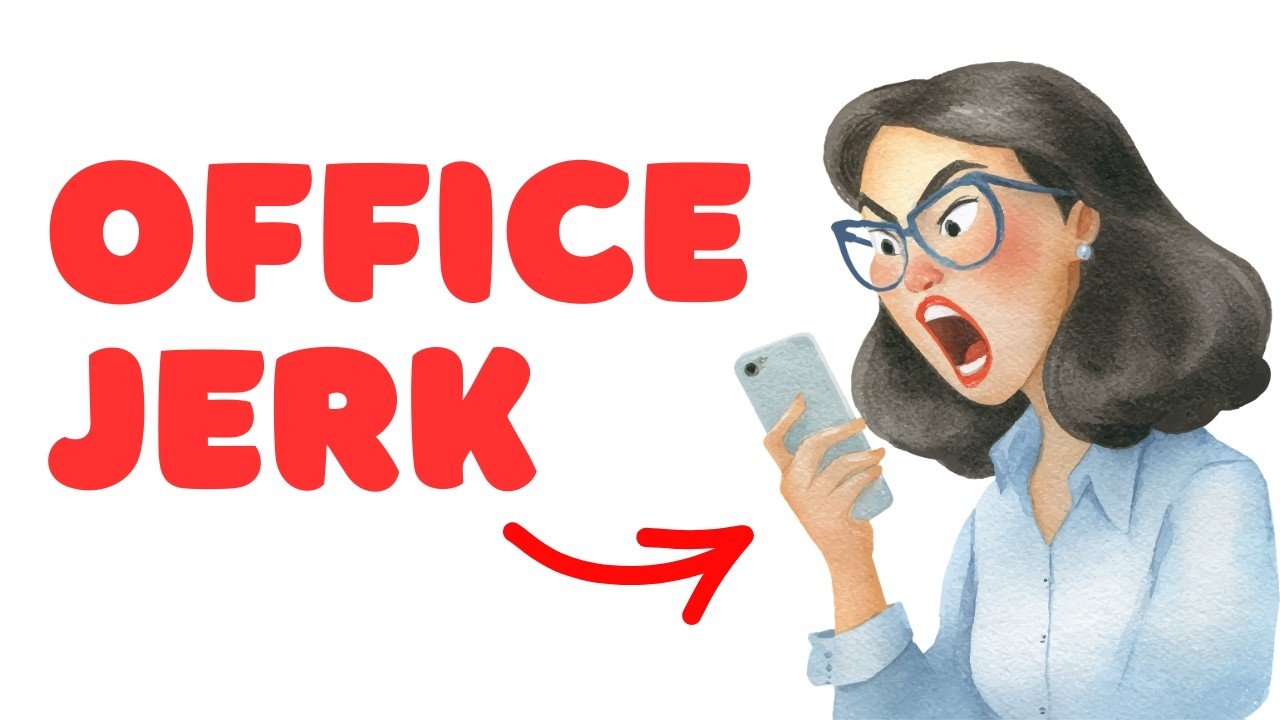
You work hard. You meet deadlines. You help your team. Yet somehow, one toxic coworker creates more stress than the actual work itself. They criticize. They gossip. They manipulate. They take credit. Sometimes they even make you question your own abilities.
The surprising part is that the most successful professionals don’t waste energy fighting toxic coworkers. They use smart strategies to protect their reputation, productivity, and peace of mind. Here are five powerful ways to deal with toxic people at work without damaging your career.
First, What Exactly Is a Toxic Person?
A toxic person is someone whose behavior consistently creates negativity, conflict, stress, or emotional exhaustion for others. Most toxic people follow a predictable cycle: trigger, reaction, drama, attention, repeat. They provoke, someone reacts emotionally, drama begins, attention increases, and the behavior continues. Your goal is simple: break the cycle.
Not every difficult colleague is toxic. Everyone has bad days. But toxic coworkers create a pattern of negative behavior over time, and once you recognize that pattern, you can respond intelligently.
1. Stop Taking Their Behavior Personally
This may be the most important lesson of all. The moment you stop taking it personally and stop overanalyzing every interaction, toxic coworkers lose half their power over you. Most of them occupy more space in your mind than they deserve. You replay conversations and wonder what they meant, while they have already moved on to someone else.
Abraham Lincoln faced constant criticism from political rivals, newspapers, and even members of his own cabinet. Yet he became known for focusing on the mission rather than every insult. If he had spent his time reacting to critics, history might remember him very differently.
When a toxic coworker says something negative, ask yourself: is this fact or opinion? Many toxic comments are simply opinions disguised as facts. Instead of “Why did they say that?”, ask “What action should I take?” If no action is required, move on. And if the criticism turns out to be true, take the lesson, ignore the negativity, and improve the skill.
2. Respond with Facts, Not Emotions
Toxic people rarely win because they’re smarter. They win because they control the emotional environment. They know how to trigger frustration, insecurity, and defensiveness, and once emotions take over, rational thinking disappears.
That’s why successful professionals combine two principles: the Grey Rock Method and fact-based communication. Grey Rock means becoming emotionally uninteresting so you don’t deliver the reaction they’re fishing for. Fact-based communication means responding with evidence rather than feelings.
During negotiations in South Africa, Nelson Mandela became famous for remaining calm under pressure. People expected anger; they got composure, and that composure became power. The same applies at work. When a toxic coworker says “You always miss important details,” don’t get defensive. Ask: “Can you point out the specific details so I can review them?” The conversation shifts from accusation to evidence, from conflict to clarity.
Keep responses short, professional, neutral, and fact-based. Smart people don’t react to every provocation; they choose where their energy goes.
3. Understand Their Triggers and Set Clear Boundaries
Toxic people are experts at finding emotional triggers. The smartest employees understand their own triggers first, because once you know them, others lose power over them. You cannot always control toxic behavior, but you can control your access to it.
Toyota became famous for identifying recurring problems instead of treating every issue as a separate event. The same idea works with people: study the pattern, don’t just react to the incident.
Boundaries protect what matters most: your time, energy, reputation, and productivity. To build them, first identify the trigger strategy by asking what behavior they repeat and what reaction they’re hoping for. Second, remove the reward, since many toxic behaviors continue only because they bring attention and control. Third, set clear, simple, direct expectations. Fourth, reinforce the boundary consistently. Over time, toxic coworkers learn you are not available for unnecessary drama.
4. Document the Facts and Let Patterns Reveal the Truth
Many employees try to expose toxic people. Smart professionals let patterns expose them naturally, because patterns are more powerful than accusations. People can argue with opinions; it’s much harder to argue with facts.
The downfall of Enron didn’t happen because of one dramatic accusation. It happened because evidence accumulated over time: documents, records, facts, patterns. Eventually the truth became impossible to ignore.
If someone claims “You never contribute during team projects,” skip the defensiveness and respond with evidence: “Last month I completed the client presentation, coordinated the vendor meeting, and submitted the final report. Which area would you like me to improve?” Document meetings, deadlines, responsibilities, and agreements. Truth doesn’t need help when evidence exists.
5. Navigate Workplace Dynamics and Focus on Your Growth
Many people hate office politics because they misunderstand it. Healthy office politics is not manipulation; it’s relationship management. It means understanding influence, building trust, and creating visibility.
When Satya Nadella became CEO of Microsoft, one of his biggest strengths wasn’t technology. It was relationship-building: aligning teams, creating collaboration, building trust. While toxic coworkers focus on creating drama, successful professionals focus on creating value.
So instead of obsessing over difficult colleagues, learn a new skill, improve your communication, build leadership skills, and expand your network. The more valuable you become, the less power toxic coworkers have over your future. Build relationships before you need them, support colleagues, and create visibility for your work. The strongest protection against toxic people isn’t an argument; it’s a strong professional reputation. Our guide to the habits that get you promoted shows how that reputation compounds over time.
Know When to Escalate
All five strategies focus on controlling yourself, not controlling toxic people. But sometimes professional handling isn’t enough. If behavior becomes harassment, discrimination, bullying, threats, or serious misconduct, escalation is necessary. Document facts, follow company policies, and report through appropriate channels. Protecting yourself is not being difficult; it’s being responsible.
The Bottom Line on Toxic Coworkers
The goal is not to change toxic people. The goal is to prevent toxic people from changing you. Stay professional, protect your peace, and keep building a career that moves you toward your goals. The most successful professionals aren’t the ones who win every argument. They’re the ones who keep growing while everyone else is distracted by drama.